Xabi Alonso, then, was the saviour of sorts. His Bayer Leverkusen were the envy of European football: young, technical, well-balanced, lovely to watch. The Spanish tactician had knocked Bayern Munich off their Bundesliga perch, and he was seemingly on the fast track to greatness.
Madrid hired him early for the Club World Cup – despite Alonso’s reported desire to take the job in July. It was a weird summer. Madrid weren’t bad. But they weren’t great, either. No one could have been really all that surprised when Paris Saint-Germain battered them in the Club World Cup semi final. Los Blancos refused to send any players out for media duties following the fixture, and Alonso made a point of saying that the team out on the pitch wasn’t really his.
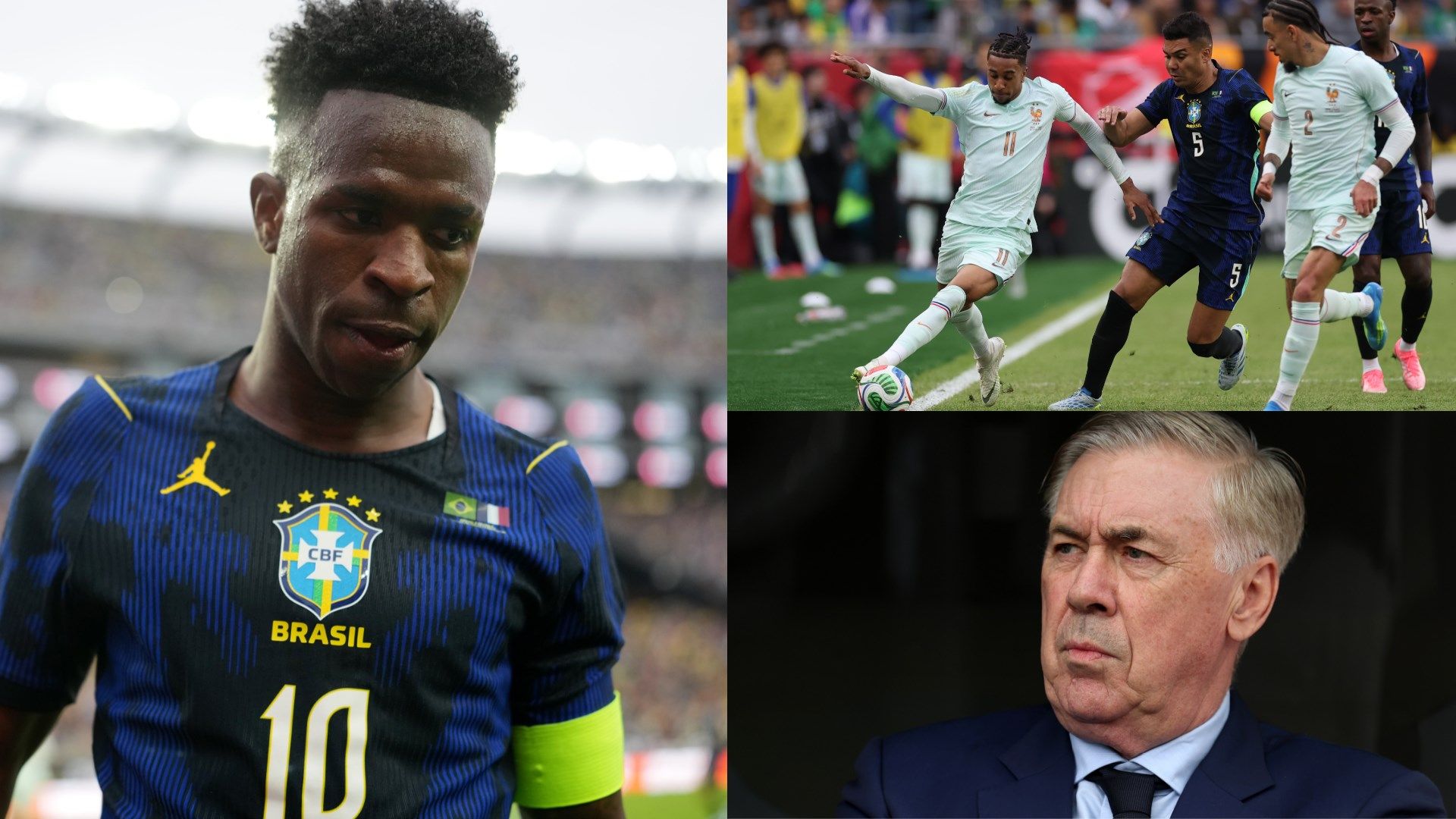
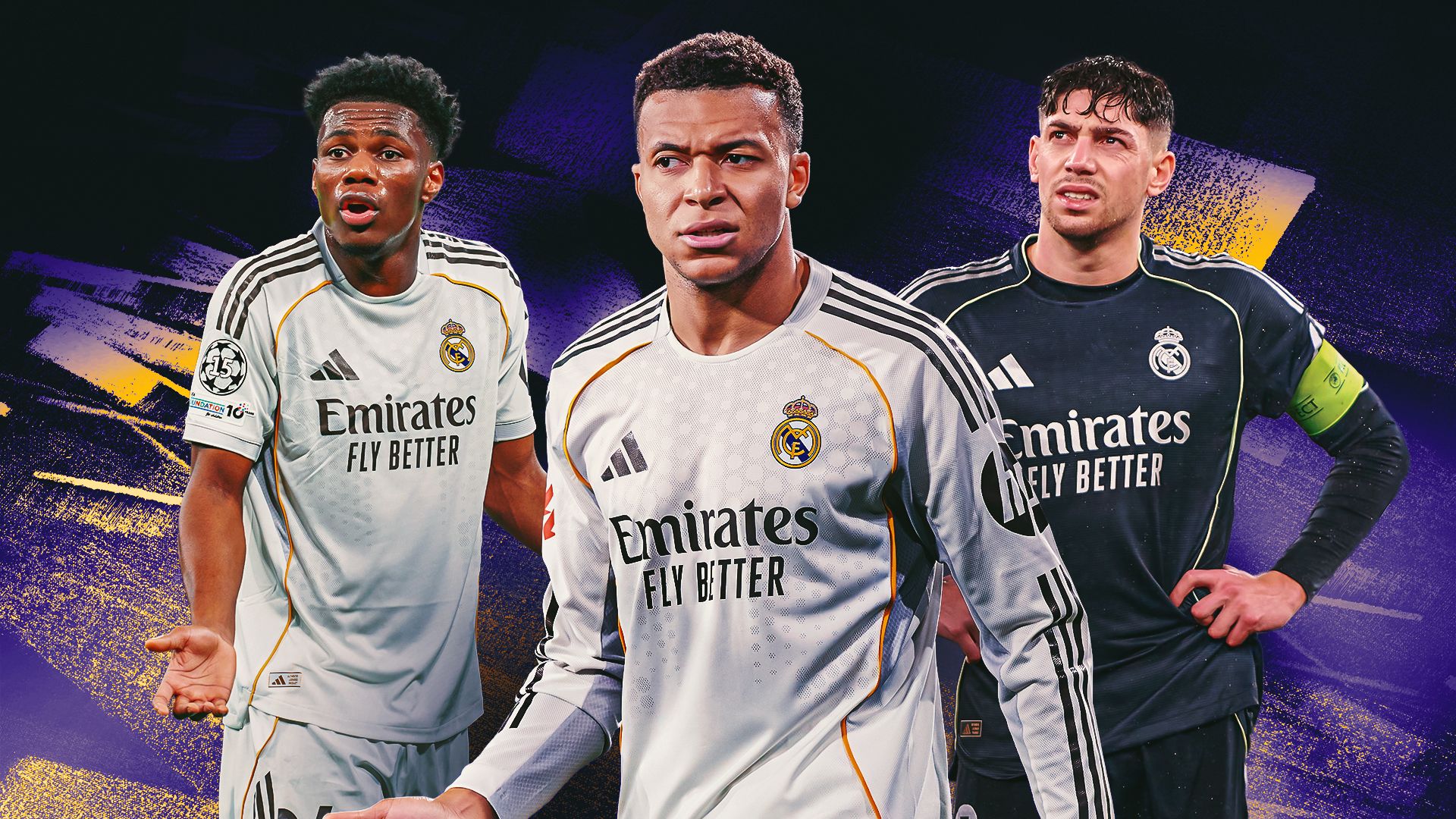
Yet the side that belonged to Alonso wasn’t great either. The former Madrid midfielder asked too much of the team too quickly. He wanted a team of individuals to play like a well-oiled machine. Alonso is a wonderful manager who will someday orchestrate another great side, but he rather over-coached this team, and things got toxic quickly. There was a public fallout with Vinicius and tension with Mbappe. A mixture of injuries, failure to integrate new signings, and, quite frankly, a lack of conviction from Alonso in the media saw the manager fight a losing battle. He left on January 12, one day after losing to Barcelona in the Supercopa de Espana final. At the time, Madrid were four points behind Barca, but had lost to Man City, Liverpool, and, most worryingly, Celta Vigo.
More concerning, though, was the reported chaos in the dressing room. Vinicius’ discontent was clear to see. But Alonso was constantly facing questions about vibes, culture, and general malaise. He was trying to be a coach, but was treated like a babysitter – and one that the kids didn’t care for.