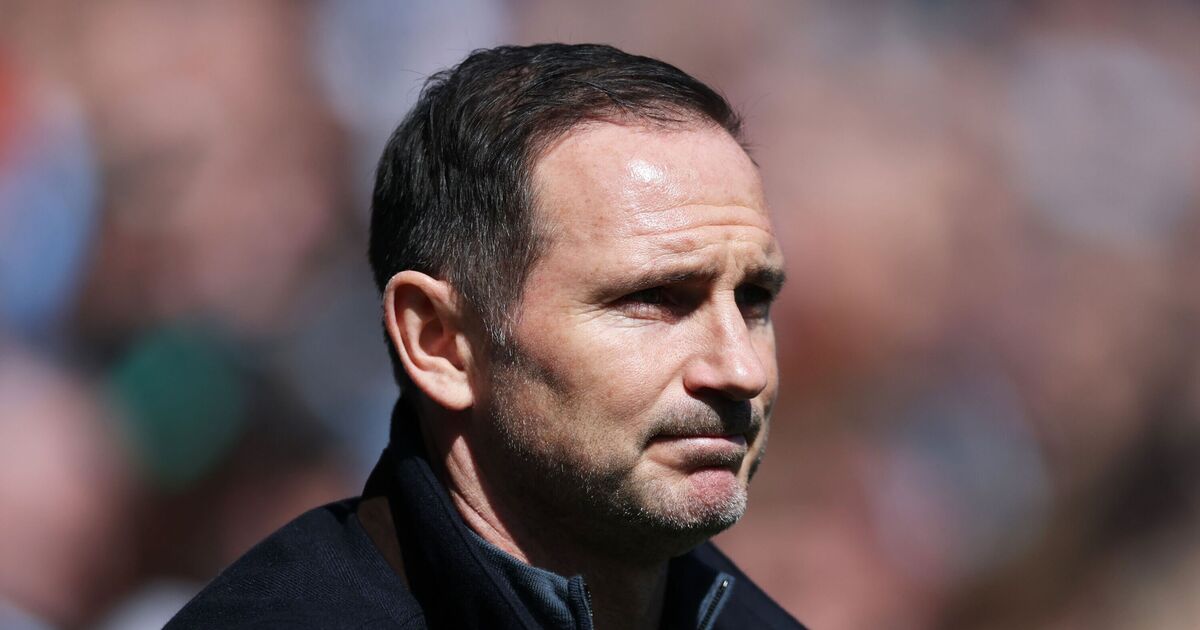

Declan Rice and Martin Zubimendi battling for the ball. (Image: Getty)
Arsenal may just have uncovered the blueprint for Champions League glory and it came from a rare moment of flexibility by Mikel Arteta. In their hard-fought 1-1 draw with Atletico Madrid, the Gunners boss did something few expected: he changed his approach.
Known for his loyalty to a system, Arteta instead rolled out a bold tactical tweak that could be decisive against either Paris Saint-Germain or Bayern Munich in a potential final. The key figures? Declan Rice and Martin Zubimendi. Rather than anchoring midfield in his usual role, Rice dropped deep, almost operating as a third centre-back alongside William Saliba and Gabriel Magalhaes.
With David Raya also involved, Arsenal suddenly had a four-versus-two advantage in the first phase of build-up against Julian Alvarez and Antoine Griezmann.
The result was total control. Atletico’s structure was bypassed with ease, both physically and technically, allowing Arsenal to dictate tempo and territory from the outset while silencing the home crowd.
EXPRESS SPORT ON FB! Get all the best sports news and much more on our Facebook page
At the same time, Zubimendi was pushed higher up the pitch, taking on a role reminiscent of Granit Xhaka during his Arsenal days. Though he saw less of the ball, his influence remained decisive when it mattered most.
That impact was clear in the first-half’s defining moment. After Alvarez was dispossessed, Zubimendi combined quickly with Martin Odegaard on the edge of the area before releasing Viktor Gyokeres, who was brought down by David Hancko.
Despite questions over his consistency, Gyokeres showed no hesitation, drilling the penalty past Jan Oblak to settle the first leg.
It was a move that may not have materialised had Zubimendi been stationed deeper.

Martin Zubimendi was instrumental to Arsenal being awarded a penalty. (Image: Getty)
Atletico restored parity in the tie with a controversial penalty. But up to that point, Arsenal were in command. And despite feeling that they should be holding a lead, they remain favourites to progress to the final and will feel confident of getting there.
They may feel adjudged not to have been awarded a second penalty when Eberechi Eze fell to the floor and referee Danny Makkelie pointed to the spot, only to go back on the decision following a lengthy VAR check.
But Arteta has built his season on conviction, often sticking rigidly to his principles. At times, that stubbornness has paid off. At others, it has left Arsenal predictable and easier to contain for elite opposition in high-pressure moments.
In Madrid, he revealed a different side. He adapted to the opponent. He trusted a new plan.
Whether he sticks with these tweaks in a potential final remains to be seen. But one thing is now clear: Arsenal do not necessarily need to outgun Europe’s elite.
With a manager willing to evolve, and a squad capable of executing multiple tactical ideas, they may already have the edge needed to go all the way and finally conquer the biggest stage in European football.
WORLD CUP LEGENDS: The stars who lit up football’s greatest tournament – Buy the Special Edition today