In the middle of Doha, there’s a marketplace called Souq Waqif. During the 2022 World Cup, walking through the area was something of a fever dream. It was one of the unique landmarks that, for many, became symbolic of FIFA’s first Arab World Cup.
The marketplace had a little of everything: World Cup souvenirs, local trinkets, food, camel rides, music, dancing. Tourists from all over the world would kick balls through the plazas. Fans could buy a Ghutra, a headcovering, for their local team while a giant golden thumb served as the meeting point for fans trying to navigate it all.
As the World Cup went on, particularly during the daytime, you could find the colors of every country in the tournament scattered throughout the alleyways and squares. Moroccan fans covered the streets as their team made a historic run. Fans from Japan held up signs revealing all they’d sacrificed to make the trip. Canadians soaked in their first World Cup in a generation, basking in the Qatari heat.
At night, though? The colors faded into something more monotone. The streets and alleys were typically shut down as the marketplace turned into a churning sea of blue and white. And, on those nights, you’d hear one word echo from miles away: “Muchachos!”
The song, sometimes called “The Land of Diego and Lionel,” swept through Qatar. That winter, Argentinian fans descended en masse to witness what many hoped would be a defining moment in their country’s history. And, throughout it all, they sang. They sang about Diego Maradona, who had died two years earlier. They sang about Brazil, poking fun at their rivals for a recent Copa America win. More than anything, though, they sang about Lionel Messi.
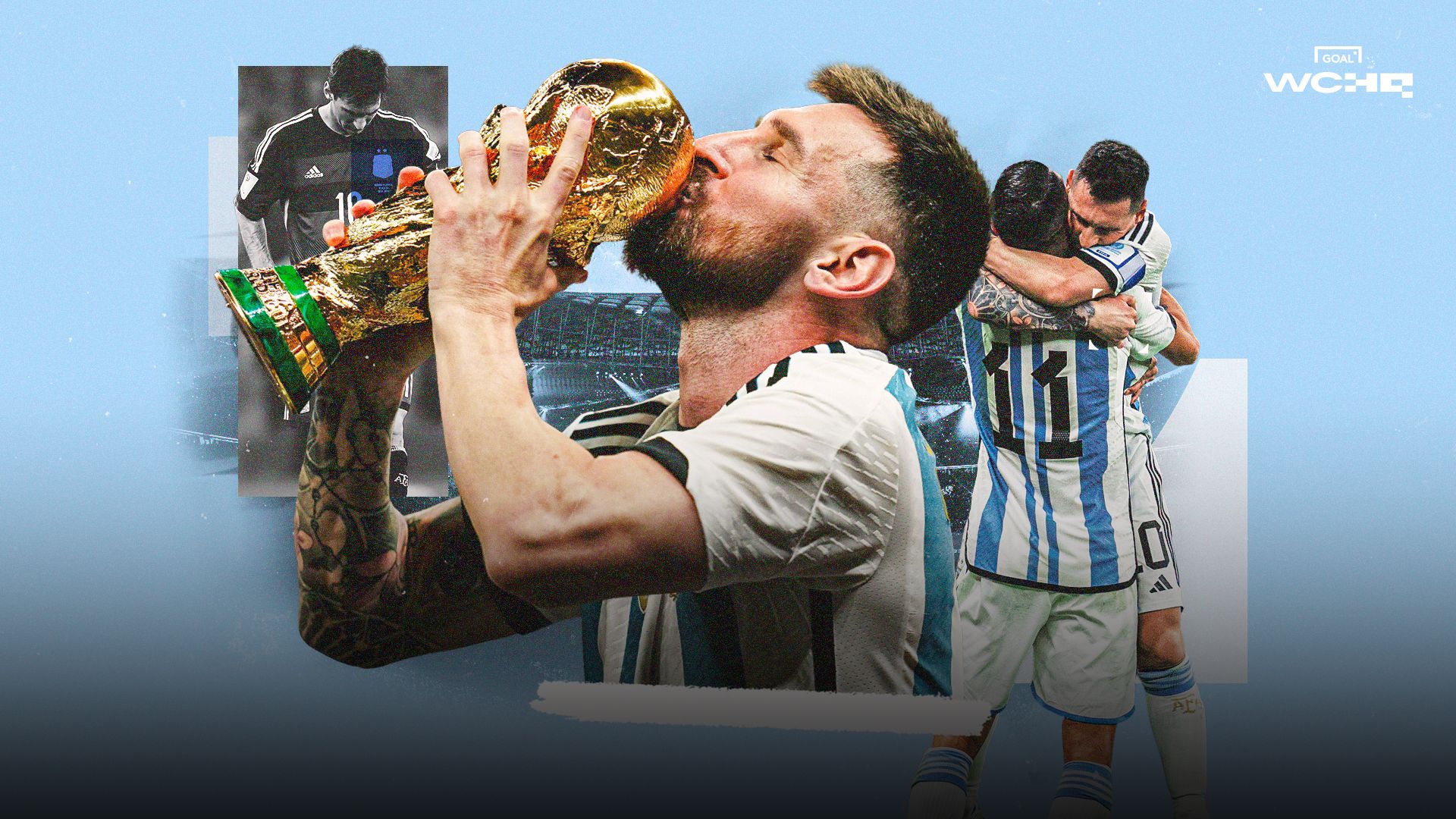
Thousands would descend upon Souq Waqif for the Banderazo, a massive show of support for the national team. Those nights were gatherings in support of Messi, who, perhaps for the first time, had his whole country behind him. And we all know what happened next.
The Banderazo eventually morphed into a trophy celebration, as Argentina won the World Cup and Messi became more iconic than ever – if that was even possible. It was during those weeks in Qatar that Messi solidified his mythical status and became more titan than human. He embodied the words in those in marketplaces, stadiums and restaurants, sung over and over again.
“Guys, now we’re excited again,” the lyrics translate. “I want to win the third, I want to be world champion! And Diego, in heaven, we can see him, with Don Diego and La Tota, encouraging Lionel!”
With the people’s encouragement, Messi and his teammates won a third World Cup. Argentina provided a reason to be excited again. And they did so via one of the most eventful tournament runs imaginable, culminating in arguably the greatest game the sport has ever seen.
That winter, Qatar turned blue and white as Messi and his band of followers changed the sport forever.